Trauma affects learning and behavior
Research, insights, and evidence-based resources exploring how trauma affects student learning and behavior—and how educators can create environments where students can thrive.
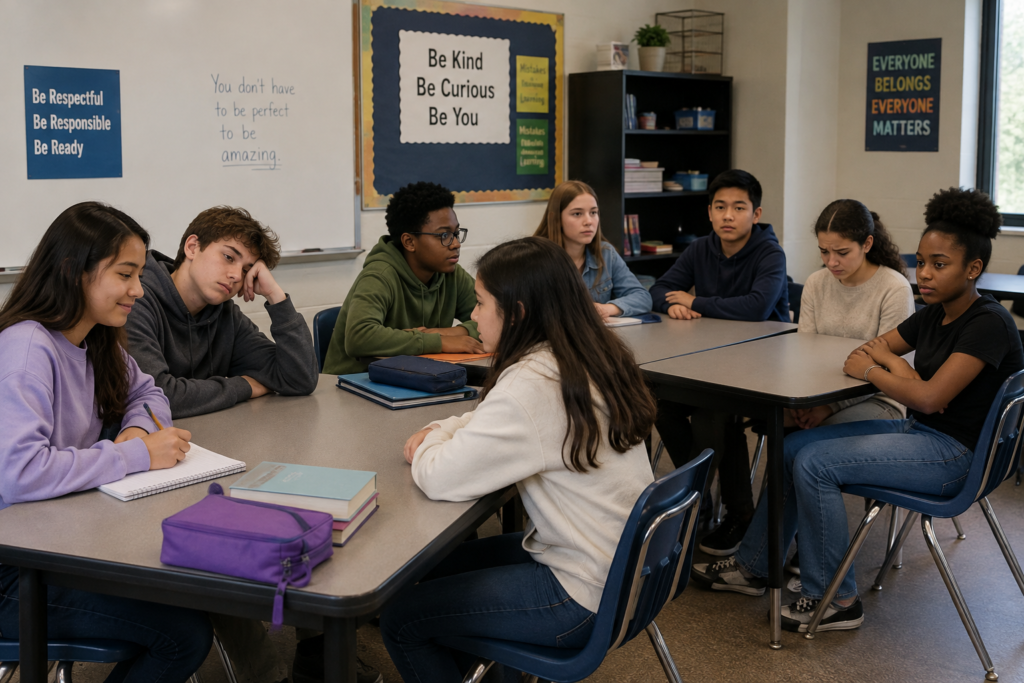
Trauma is very prevalent in K-12 schools: While exact percentages vary depending on the definition of trauma and how data is collected, research consistently indicates that 50% to 75% of students with special learning or behavioral needs report high exposure (4 or more Adverse Childhood Experiences or ACEs) which puts them at elevated risk for severe toxic stress.
Maltreatment Overlap: Studies on child welfare and maltreatment show that up to 64% of maltreated children have an identified disability or developmental delay, including learning disabilities.
School-Based Trauma: Recent literature highlights that for students with learning disabilities, trauma is not limited to home or community. Academic failure, public correction, isolation, and social rejection mean that school itself can be a source of chronic trauma for children with SLD, generating PTSD-like symptoms tied directly to the learning environment.
Trauma, wherever it came from, creates severe and toxic stress for a child.
Why Stress Affects Learning and Behavior: Severe stress disrupts the core brain systems K–12 students need for learning, especially attention, memory, and self‑regulation. Working memory, the ability to concentrate, and the ability to inhibit undesirable behavior are impaired by trauma. Trauma can shift students from flexible thinking to rigid, habit‑based responses, making academic tasks harder and school performance less consistent.
🧠 How severe stress interferes with learning
- Working memory loss — Stress hormones (especially cortisol) reduce the brain’s capacity to hold and manipulate information, making reading comprehension, multi‑step math, and problem‑solving harder.
- Attention disruption — Highly stressed students become more distractible and struggle to sustain focus, often scanning for threats instead of attending to instruction.
- Impaired memory retrieval — Stress during tests or performance moments can block access to learned information, causing students to underperform even when they know the material.
- Reduced cognitive flexibility — Stress shifts learning from thoughtful, strategic processing to rigid, automatic habits, making it harder to adapt, plan, or revise thinking.
- Emotional dysregulation — Anxiety and depression consume cognitive resources, leaving less capacity for academic tasks and increasing school avoidance.
🧩 Why this matters in classrooms
Severely stressed students often appear “unmotivated,” “forgetful,” or “disruptive,” but the underlying issue is neurobiological overload, not lack of ability. Their brains are prioritizing survival over learning.